
First Post: Shock and Grief, May 31, 2022 When I stepped out of a Greyhound bus in Abilene, Texas, in 1979, I was determined to earn a bachelor’s degree and become a broadcast journalist. I had no idea that one of my Abilene Christian University journalism professors would influence and redirect my career in the remarkable ways that the late Dr. Charlie Marler did. The long trip from my native Memphis, Tennessee, was a time of celebration and joy for numerous reasons. I was the first in my family to enroll in college. My family helped me pack all our hopes and dreams in the borrowed suitcases donated by my former junior high school guidance counselor, Viola O’Neil Cole, and Peggy and Geno Grandi. The Grandis gave me a part-time job during high school cleaning their East Memphis house. I had a scholarship from the Delta Sigma Theta Sorority and the blessings and prayers of my beloved parents, Rowena H. Whiting, and Prince Whiting Jr. Moreover, the Tennessee to Texas bus trip was important to the community, including members of the Southside Church of Christ, and Mary and Myron Lowery, among many others. I knew a lot of people wanted me to succeed and I planned to accomplish just that.Marler was my Communication Law professor and at that time, chair of ACU’s Department of Journalism and Mass Communication. Before I graduated in 1983, I had landed a part-time job working in TV news at KRBC, which was Abilene’s NBC affiliate at that time. Further, I had already sold a story to CNN, which was pretty amazing for a greenhorn still in college. After graduation, I left Abilene to pursue new jobs in other states and returned a decade later to be honored with the Gutenberg Award. As time pressed forward, I kept in touch with Marler, and he shared some of the projects he was working on. Peggy Marler, his wife, always answered the phone with a kind voice and then said: “Here’s Charlie” and handed him the phone. Marler and I had long phone conversations about media-related topics, and he was always interested in my career and encouraged me.In 2019, we had an extended conversation about being multimedia specialists, which we both were. In December 2020, he basically ordered me to go back to school to become a historian, after I told him about my just-published Texas Highways magazine stories. I followed orders and he wrote recommendation letters to support my graduate history applications.Long-time Abilene friend, Susan Perry, alerted me May 25, 2022, that Marler was in ICU. I spoke with Peggy, and she updated me that he had had a stroke. I was sick with fear and asked her to please keep me informed. I prayed. She alerted me on May 27 via a text message that he had died. I was overcome with grief that day and inconsolable when I saw his picture on an Abilene funeral home’s website.I am coping with my grief by writing and rereading his graduate history recommendation letters. I just completed 12 graduate hours on a part-time basis at the University of Texas at Arlington, thanks to two fantastic scholarships from UTA Professor Emeritus and Association for the Study of African American Life and History (ASALH) President Dr. W. Marvin Dulaney. Further, I was accepted into the doctorate program at the University of North Texas. Marler knew of my progress and that I planned to start the doctorate, pending the best financial aid support I can receive, this fall. I am so glad I quickly followed his orders because he predicted I could leverage my journalism expertise as he did and make a significant contribution. I plan to specialize in African American history in Texas. Marler went above and beyond by making himself available to me and his other former students. He rejected the traditional patriarchal mindset of his generation and saw each student as capable of achieving more, and more, and more. He practiced what he preached by conducting scholarly research and continuing to write to the end of his life. Please leave your comments to these questions: How did Dr. Marler impact your career and life? Have you ever experienced the death of a mentor? How did you cope?
0 Comments
From Journalism to African American History in Texas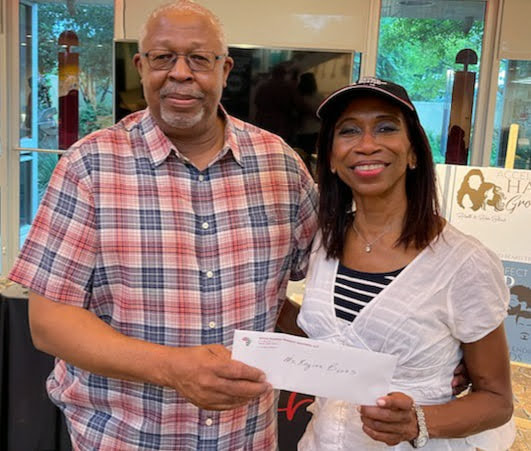 UTA Professor Emeritus Dr. William Dulaney presented me with his family's scholarship, Aug. 17, 2021, at the African American Museum of Dallas. The scholarship is for fall 2021 history graduate courses at UTA. Photo by Melinda Knott. I am proud to announce I was awarded a scholarship from the Dulaney Family Fund for my fall 2021 graduate studies in history at the University of Texas at Arlington. I received the scholarship in August 2021 from UTA Professor Emeritus William Dulaney, Ph.D., who is also Deputy Director/COO of the African American Museum of Dallas. 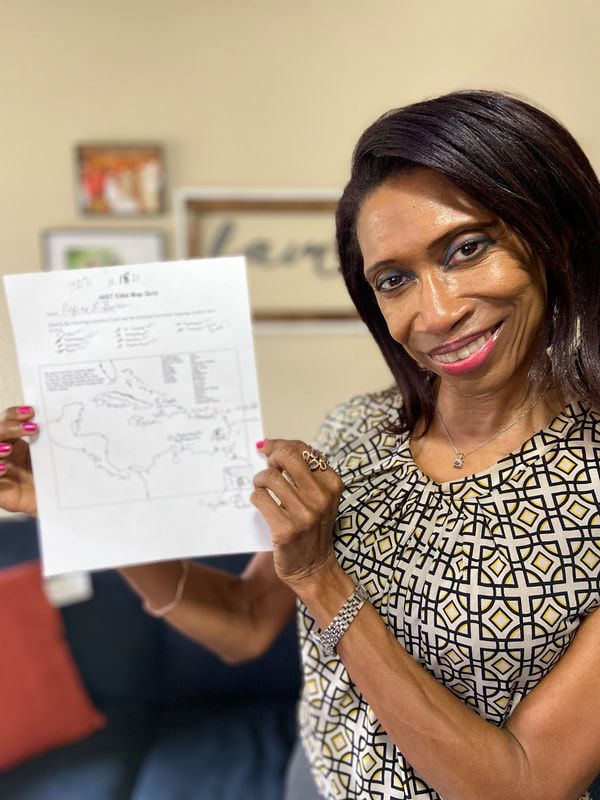 I earned a perfect score on my Caribbean history map quiz, thanks to lots of studying, tutoring, and backup map review from friends Melinda and John Knott. See the quiz in the link below. Photo taken 10.26.21 by BreAna Whiting, Download my map quiz here.Currently, I am enrolled part-time in the master’s in history program at UTA. My long-term goal is to earn a doctorate degree specializing in African American history in Texas. I decided to follow the advice of my former Abilene Christian University Communication Law Professor Dr. Charles Marler, who encouraged me to pursue becoming an African American historian. He said there aren't enough Black historians and that I had the wherewithal to become one. Wow! He shared that advice after I told him about two of my Texas Highways magazine stories. I listened and am almost finished with my first semester. Returning to graduate school was definitely the right step. The courses are intellectually satisfying and I am well-suited to part-time graduate work. 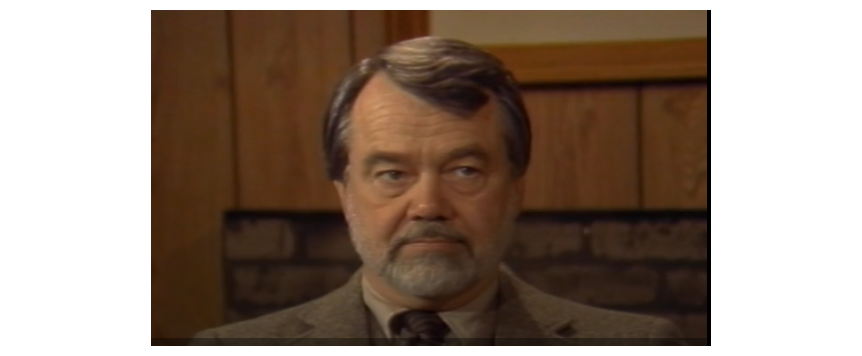 Image of Dr. Charles Marler, from The Portal to Texas History, https://bit.ly/3C7lYal Watch video of Dr. Marler discussing libel.Narrative: The heart of history and journalismJust like in journalism, the narrative or story is at the heart of a history thesis or argument. And, as importantly, I use my award-winning journalism expertise in fascinating new ways in my history courses. For example, I recently posted two summaries of two history book reviews on a discussion board. I wrote several historiography papers that analyzed various themes. In each instance, my journalism background served me well in synthesizing complex information. One of the reasons Dr. Marler advised me to consider graduate work in history is because he had studied "journalism and Black history at the University of Missouri-Columbia," which he wrote about in my recommendation letter. I was so impressed that he had studied Black history in graduate school. He also shared that well-known axiom, "Journalism is the first rough draft of history." When I graduated with my M.A. in Journalism Administration degree from the University of Memphis, I sensed I would return to a university to learn more about the art and craft of the narrative. This time, I am aiming for a doctorate in history because of the abundant overlooked, underreported, and forgotten African American history in Texas content yet to be discovered, researched, and published. I look forward to one day researching, writing and teaching that history on all platforms, in and outside of academia. Meanwhile, I keep helping organizations and clients tell important stories while enjoying a new take on a familiar ride. Learn More:
Read my other UTA graduate school recommendations:
 Thanks to Senior Managing Editor Matt Joyce for another dynamic Texas Highways magazine web assignment. In July 2021, I visited the African American Museum in Dallas as part of my story about Houston artist Cary Fagan's photographic work honoring the late Texas native and legendary choreographer/dancer Alvin Ailey. Fagan's images are in the Smithsonian Institution's 'Men of Change: Power. Triumph. Truth' exhibit, at the Museum through Sept. 12, 2021. You may read my story here. Please read my other Texas Highways' works here.
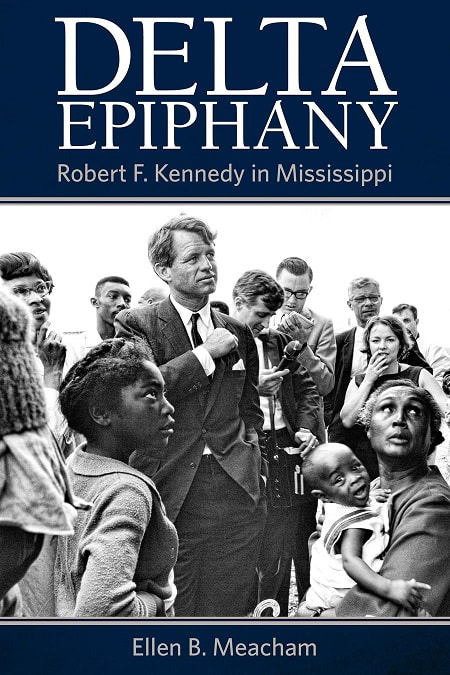 Based on Ellen Meacham’s acclaimed 2018 book, “Delta Epiphany: Robert F. Kennedy in Mississippi,” award-winning multimedia editor and journalist Regina L. Burns executive-produced, reported, and edited the online audio documentary, “Delta Epiphany Spotlights Robert F. Kennedy’s Enduring Social Change Legacy.” This month on the 53rd anniversary of Kennedy’s assassination, Meacham’s book is the tour guide for this online audio documentary. Audio Interviews Burns embedded audio interviews she recorded in 2018 of Meacham and Michael White, one of the then-children whose Mississippi Delta home Sen. Robert F. Kennedy (D-New York) visited in 1967, with pivotal moments from Meacham’s book. Burns also interviewed Dallas, Texas-based Melinda Guravich, daughter-in-law of the late Greenville, Mississippi-based photographer Dan Guravich, whose photographs graced the book’s front and back covers 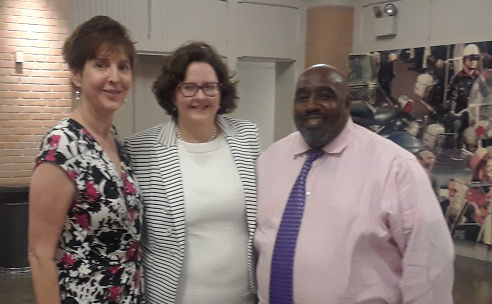 Melinda Guravich, Ellen Meacham, and Michael White met after Meacham's June 18, 2018, book talk at The Sixth Floor Museum at Dealey Plaza in Dallas, Texas. Photograph by Regina L. Burns. Kennedy’s 1968 Presidential Campaign “Delta Epiphany Spotlights Robert F. Kennedy’s Enduring Social Change Legacy” explores Meacham’s book through NAACP Legal Defense and Educational Fund attorney Marian Wright’s plea to help the starving people in the Mississippi Delta to Kennedy’s arrival in Jackson, Mississippi, and his heartbreaking anti-poverty tour. Meacham traced the horrible human hunger Kennedy witnessed and the quick actions he took to provide aid as well as the subsequent impact of Kennedy’s anti-poverty awareness campaign, which influenced his decision to run for president in 1968. After he was assassinated on June 6, 1968, many other people carried Kennedy’s anti-poverty work forward, despite challenges and naysayers. COVID-19 and SNAP Approximately 25 million SNAP-- Supplemental Nutrition Assistance Program -- recipients are now eligible for additional emergency assistance from the U.S. Department of Agriculture because of the COVID-19 pandemic. Earlier this year in 2021, the USDA said it would provide the increased emergency aid to SNAP participants who had reached the maximum benefit level and had not already received the increased benefits, which Congress approved in 2020. Purchase Requirement Dropped for Food Stamps SNAP’s roots date to 1939 and the Great Depression. Back then and recently, due to the COVID-19 pandemic, people stood in bread lines as hunger swept the country. Meacham provided abundant signposts of Kennedy’s social change journey, and his ongoing influence on various anti-hunger programs such as the 1977 federal legislation that dropped the purchase requirement for food stamps. Prior to that legislation, food stamps had to be purchased. Meacham documented that Kennedy learned, during his ‘Delta Epiphany’ tour, people struggling to put food on the table lacked the financial resources to buy food stamps. Audio documentary (19:06) and transcript download (.PDF) are below.
Remembering RFK's trip to the Mississippi Delta (Article and "When D.C. Came to the Delta" Video by Junior Walters)Copyright © June 11, 2021, Regina L. Burns, Harvest Reapers Communications. All Rights Reserved.
In Dallas, an exhibition of iconic civil rights photographs showing through Memorial Day 20215/29/2021 ‘The Fight for Civil Rights in the South’ is on display through Memorial Day, May 31, 2021, at the Dallas Holocaust and Human Rights Museum. |
|||||||||||||||||||
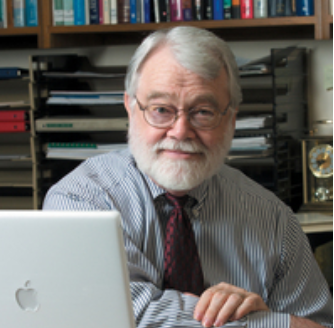
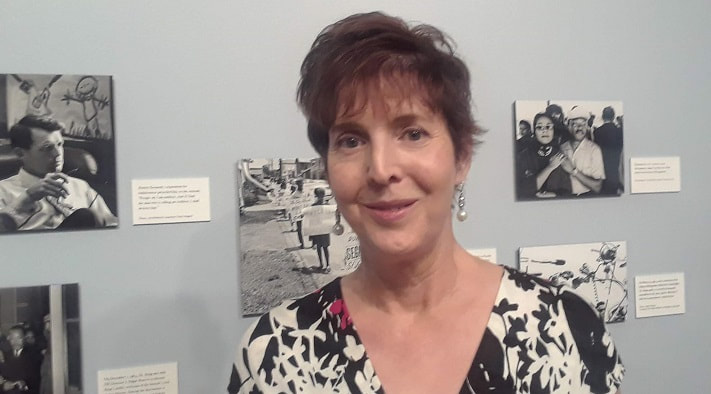

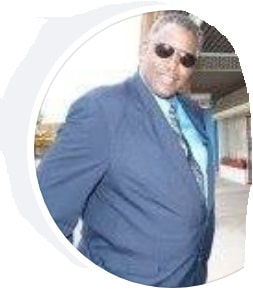 Charles Whitman was the NAACP Youth Council’s Education Chair and a classmate of Dr. Welch's at Pioneer High School in Ann Arbor, Michigan. Whitman witnessed Welch's 1968 Atlanta trip and was an activist at Pioneer. Charles Whitman was the NAACP Youth Council’s Education Chair and a classmate of Dr. Welch's at Pioneer High School in Ann Arbor, Michigan. Whitman witnessed Welch's 1968 Atlanta trip and was an activist at Pioneer. A Note from Regina L. Burns In 2018, Edward Welch Jr., Ph.D., (above) first told me that he attended Dr. Martin L. King Jr.’s funeral when he was 17. At the time, we were having a telephone discussion about media coverage of the 50th anniversary of Dr. King’s assassination. I was shocked to learn I knew someone who had actually attended Dr. King’s April 9, 1968 funeral service at Ebenezer Baptist Church in Atlanta, Georgia. I asked him if I could record an audio interview for my blog. He agreed. Welch, who is an Associate Professor at Grambling State University’s Department of Mass Communication, said he was present at Dr. King’s funeral as a youthful representative of Ann Arbor, Michigan. He said he was invited to attend the funeral because he was president of the NAACP Youth Council. He said then-Mayor Wendell Hulcher came to his house during his senior year at Pioneer High School. Hulcher asked Welch’s parents’ permission for Welch to travel with the mayor by airplane to Atlanta. His parents agreed he could attend the funeral service. Invited and Alone Welch said I was the first journalist to interview him about his historic role. I am thankful I asked him for the interview and that he agreed to share his story. My research revealed Welch’s name was not included in media coverage of the Ann Arbor mayor’s trip to Atlanta, despite his request for Welch to attend. In addition, Welch was not part of the Michigan delegation at thefuneral, he said, even though he was an official representative. He attended the funeral service by himself. Alone. A 17-year-old, who was asked to represent his city’s youth, was all byhimself at Dr. King’s funeral. Think about that. Memphis Roots I first met Welch when I was the news/public director at WGKX KIX-106 in Memphis, Tennessee. He sent his University of Memphis broadcast students to my internship program. That was in the late 1980s. 'Snowmageddon' Delayed Online Audio Documentary Project After I recorded the first interview in 2018, I didn’t have the research and production time available to work on this project until 2021. I began working on it in January 2021 and set a deadline to publish by late March 2021. However, February 2021’s ice storm accurately dubbed “snowmageddon” delivered water damage and other challenges, which delayed the project. Nevertheless, I knew I had to get this story out this year. It blossomed into an online audio documentary from the trove of research documents I found. Please read below my shout-out to the libraries that assisted me. Thank you I am thankful to Welch and his childhood friend, Charles Whitman (above left), who was chair of the education committee of the NAACP Youth Council at Pioneer High School, for making themselves available for interviews. Their friendship started in 1965 and their recall of Welch's 1968 trip to Atlanta is documentary "gold." Credits Thank you also to the amazing research librarians at The University of Michigan’s Bentley Historical Library in Ann Arbor, Michigan, the Willard Library in Battle Creek, Michigan, and the Dallas Public Library in Dallas, Texas. Copyright © May 19, 2021, Regina L. Burns, Harvest Reapers Communications. All Rights Reserved. Click on the player below to hear the online audio documentary. |
TRANSCRIPT
This is Regina L. Burns, reporting for Harvest Reapers Communications.
Imagine it’s April 9, 1968, and you’re in Atlanta, Georgia. You’re attending (video of Dr. King's funeral service) Dr. Martin Luther King Jr.’s funeral. You went to the funeral at Ebenezer Baptist Church to represent your city’s youth. And by the way, you’re a 17-year-old Black male.
(See video of Mrs. Coretta Scott King as she lies in honor at the Georgia state Capitol).
1--SOUNDBITE Edward Welch Jr., Ph.D., (Me): “I was a senior … Hulcher of Ann Arbor.”
That’s Edward Welch Jr., who holds a doctorate in Mass Communication from Ohio University. He’s an Associate Professor at Grambling State University’s Department of Mass Communication.
Welch stepped into history when he attended Dr. King’s funeral in 1968. This is the first time he has publicly shared his thoughts about this historic event. I interviewed him in 2018 and again in 2021.
2--SOUNDBITE Edward Welch Jr., Ph.D., (There): “I feel extremely fortunate … I was there.”
The Ann Arbor, Michigan City Council sent Mayor Wendell Hulcher and Welch to Atlanta. They were part of a prestigious delegation from Michigan headed by then-Gov. George Romney, according to an April 9, 1968, Associated Press news story in the Enquirer and News newspaper in Battle Creek, Michigan.
3--SOUNDBITE Edward Welch Jr., Ph.D., (Dropped Off): “Now, I know … way it went.”
Like so many cities, Ann Arbor roared with unrest after the April 4 assassination of Dr. King in Memphis, Tennessee. In fact, the AP story reported violence occurred in several Michigan cities in the hours before King’s funeral.
The AP story also reported Hulcher’s attendance at Dr. King’s funeral generated backlash from Albert Wheeler, Dr.PH., who at the time was president of the Michigan branch of the NAACP. Welch explains what Wheeler found troublesome:
4--SOUNDBITE Edward Welch Jr. Ph.D., (Wheeler): “Did not want … him speaking up.”
Hulcher died in 1999.
Charles Whitman was the NAACP Youth Council’s Education Chair at Pioneer High School in Ann Arbor, Michigan. He later worked for Ford Motor Company in Livonia, Michigan for 30 years until his retirement. During a May 2021 interview, Whitman recalled Welch’s 1968 trip to attend Dr. King’s funeral.
5--SOUNDBITE Charles Whitman (Supportive): “We were very … the Youth Council.”
6--SOUNDBITE Charles Whitman (Activist): “What are some things … of an activist nature.”
Whitman said President Lyndon Johnson ordered flags at half-staff. However, not everyone followed his command.
7--SOUNDBITE Charles Whitman (Half-staff): “What I recall is … and what not.”
I received this May 18, 2021-email from the Ann Arbor Public Schools in response to my request for comment, “Unfortunately, we do not have a good way to research this information to confirm it in such a short time period.”
Meanwhile, Welch picked up the story with his memories of an unforgettable funeral at Ebenezer Baptist Church in Atlanta.
8--SOUNDBITE Edward Welch Jr., Ph.D., (Wilt Chamberlain): “Do you recall … inside the church.”
(See Alabama Department of Archives & History's photo of Richard Nixon and Wilt Chamberlain in Martin Luther King, Jr.'s funeral procession).
After the funeral on the airplane trip back to Michigan, Welch and Hulcher shared a remarkable discussion.
9--SOUNDBITE Edward Welch Jr., Ph.D., (Politics): “You had mentioned … home from Atlanta.”
Welch graduated from high school in June 1968. He completed college and later earned masters’ degrees from the University of Michigan and Northwestern University. In 1979, he accepted his second general assignment reporter’s job. He moved his family from Buffalo, New York to work for WHBQ-TV in Memphis. Welch said he was later approached by the station’s news management about a promotion to executive producer. In 1982, Welch became the first Black manager in TV news in Memphis, he said. He achieved that milestone when he accepted the executive producer promotion.
I wanted to know if and how attending Dr. King’s funeral prepared him to become a reporter and an executive producer.
10--SOUNDBITE Edward Welch Jr., Ph.D., (Journalist): “I think all this… being a journalist.”
He later transitioned to a new career in academia, which he still finds satisfying. His numerous accomplishments in journalism education include shepherding students’ award-winning entries in the Hearst Journalism Awards Program.
11--SOUNDBITE Edward Welch Jr., Ph.D., (Hearst): “So, what are you … students to compete.”
Starting with the NAACP Youth Council presidency at his high school, Welch has embodied leadership and courage. He attended Dr. King’s funeral alone when he was a teenager.
That accomplishment is too important not to be recorded in the annals of history.
This has been Regina L. Burns reporting for Harvest Reapers Communications, in Dallas.
Copyright © May 19, 2021, Regina L. Burns, Harvest Reapers Communications. All Rights Reserved.
More Stories from Regina
This is Regina L. Burns, reporting for Harvest Reapers Communications.
Imagine it’s April 9, 1968, and you’re in Atlanta, Georgia. You’re attending (video of Dr. King's funeral service) Dr. Martin Luther King Jr.’s funeral. You went to the funeral at Ebenezer Baptist Church to represent your city’s youth. And by the way, you’re a 17-year-old Black male.
(See video of Mrs. Coretta Scott King as she lies in honor at the Georgia state Capitol).
1--SOUNDBITE Edward Welch Jr., Ph.D., (Me): “I was a senior … Hulcher of Ann Arbor.”
That’s Edward Welch Jr., who holds a doctorate in Mass Communication from Ohio University. He’s an Associate Professor at Grambling State University’s Department of Mass Communication.
Welch stepped into history when he attended Dr. King’s funeral in 1968. This is the first time he has publicly shared his thoughts about this historic event. I interviewed him in 2018 and again in 2021.
2--SOUNDBITE Edward Welch Jr., Ph.D., (There): “I feel extremely fortunate … I was there.”
The Ann Arbor, Michigan City Council sent Mayor Wendell Hulcher and Welch to Atlanta. They were part of a prestigious delegation from Michigan headed by then-Gov. George Romney, according to an April 9, 1968, Associated Press news story in the Enquirer and News newspaper in Battle Creek, Michigan.
3--SOUNDBITE Edward Welch Jr., Ph.D., (Dropped Off): “Now, I know … way it went.”
Like so many cities, Ann Arbor roared with unrest after the April 4 assassination of Dr. King in Memphis, Tennessee. In fact, the AP story reported violence occurred in several Michigan cities in the hours before King’s funeral.
The AP story also reported Hulcher’s attendance at Dr. King’s funeral generated backlash from Albert Wheeler, Dr.PH., who at the time was president of the Michigan branch of the NAACP. Welch explains what Wheeler found troublesome:
4--SOUNDBITE Edward Welch Jr. Ph.D., (Wheeler): “Did not want … him speaking up.”
Hulcher died in 1999.
Charles Whitman was the NAACP Youth Council’s Education Chair at Pioneer High School in Ann Arbor, Michigan. He later worked for Ford Motor Company in Livonia, Michigan for 30 years until his retirement. During a May 2021 interview, Whitman recalled Welch’s 1968 trip to attend Dr. King’s funeral.
5--SOUNDBITE Charles Whitman (Supportive): “We were very … the Youth Council.”
6--SOUNDBITE Charles Whitman (Activist): “What are some things … of an activist nature.”
Whitman said President Lyndon Johnson ordered flags at half-staff. However, not everyone followed his command.
7--SOUNDBITE Charles Whitman (Half-staff): “What I recall is … and what not.”
I received this May 18, 2021-email from the Ann Arbor Public Schools in response to my request for comment, “Unfortunately, we do not have a good way to research this information to confirm it in such a short time period.”
Meanwhile, Welch picked up the story with his memories of an unforgettable funeral at Ebenezer Baptist Church in Atlanta.
8--SOUNDBITE Edward Welch Jr., Ph.D., (Wilt Chamberlain): “Do you recall … inside the church.”
(See Alabama Department of Archives & History's photo of Richard Nixon and Wilt Chamberlain in Martin Luther King, Jr.'s funeral procession).
After the funeral on the airplane trip back to Michigan, Welch and Hulcher shared a remarkable discussion.
9--SOUNDBITE Edward Welch Jr., Ph.D., (Politics): “You had mentioned … home from Atlanta.”
Welch graduated from high school in June 1968. He completed college and later earned masters’ degrees from the University of Michigan and Northwestern University. In 1979, he accepted his second general assignment reporter’s job. He moved his family from Buffalo, New York to work for WHBQ-TV in Memphis. Welch said he was later approached by the station’s news management about a promotion to executive producer. In 1982, Welch became the first Black manager in TV news in Memphis, he said. He achieved that milestone when he accepted the executive producer promotion.
I wanted to know if and how attending Dr. King’s funeral prepared him to become a reporter and an executive producer.
10--SOUNDBITE Edward Welch Jr., Ph.D., (Journalist): “I think all this… being a journalist.”
He later transitioned to a new career in academia, which he still finds satisfying. His numerous accomplishments in journalism education include shepherding students’ award-winning entries in the Hearst Journalism Awards Program.
11--SOUNDBITE Edward Welch Jr., Ph.D., (Hearst): “So, what are you … students to compete.”
Starting with the NAACP Youth Council presidency at his high school, Welch has embodied leadership and courage. He attended Dr. King’s funeral alone when he was a teenager.
That accomplishment is too important not to be recorded in the annals of history.
This has been Regina L. Burns reporting for Harvest Reapers Communications, in Dallas.
Copyright © May 19, 2021, Regina L. Burns, Harvest Reapers Communications. All Rights Reserved.
More Stories from Regina
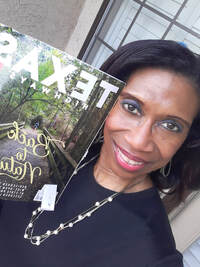
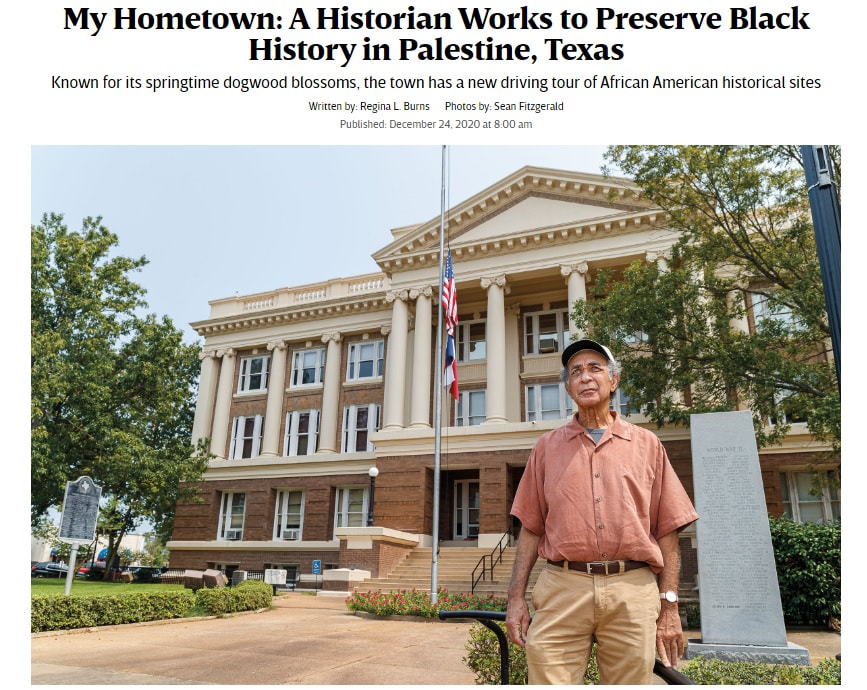  Thanks Texas Highways magazine for publishing my story about Palestine, Texas-native and historian Reginald "Reggie" Browne Jr., in the January 2021 issue. Woo-hoo!!! | How often do you meet a historian whose father was the first African American to be elected county commissioner in Palestine, Texas? I had that privilege Sept. 19, 2020, thanks to Texas Highways magazine. You can read my story in the January 2021 issue here. Read my other Texas Highways magazine stories here. 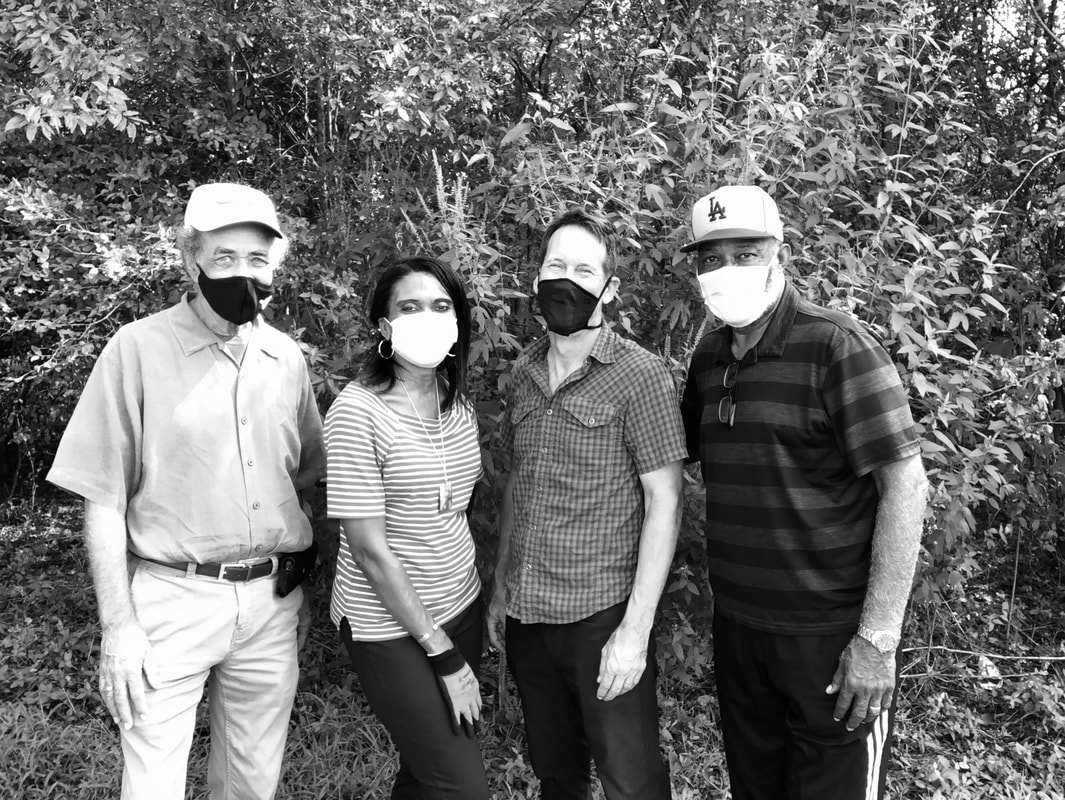 After the Texas Highways magazine interview in Palestine, Texas, Saturday, Sept. 19, 2020, we stopped to capture this notable photo. From left to right: Historian Reginald "Reggie" Browne Jr., journalist Regina L. Burns, photographer Sean Fitzgerald and Palestine, Texas-born Rev. Clevel Scott. Photo by Sean Fitzgerald. |
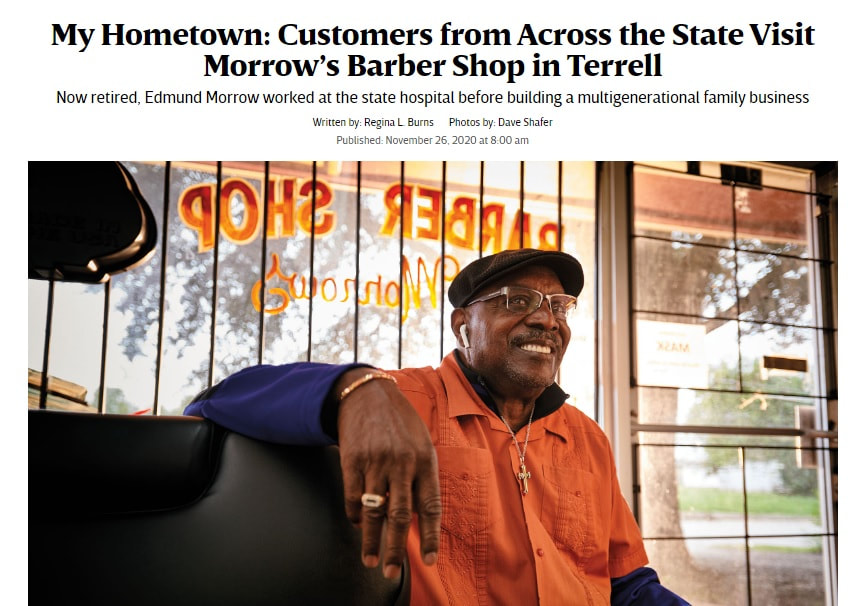
Thanks to Texas Highways magazine for publishing my December 2020 story featuring legendary Texas barber, Edmund Morrow. Morrow cut Terrell, Texas-born Jamie Foxx's hair and Jamie's grandfather's hair back in the day; and, he's still at it. I traveled to Terrell June 27, 2020 to interview Morrow about his love of barbering, his family, and much more. Special thanks to Texas Hiighways senior managing editor Matt Joyce for this great assignment.
Read my profile of Edmund Morrow here. Read my other Texas Highways magazine stories here.
Read my profile of Edmund Morrow here. Read my other Texas Highways magazine stories here.
 |  |
| | Marilyn Calhoun, a 22-year breast cancer survivor, is still advocating awareness and prevention. The retired Dallas principal and veteran educator wants women to be proactive, get mammograms as well as participate in other breast cancer prevention programs. Calhoun originally shared her triumphant journey in a 2011 Harvest Reapers Communications’ video interview. Her words still ring true and her message is more important than ever, so please take the time to watch: |
Learn more:
Black Women Added to High-Risk Group for Breast Cancer
Breast Cancer Rates Among Black Women and White Women
What Everyone Should Know
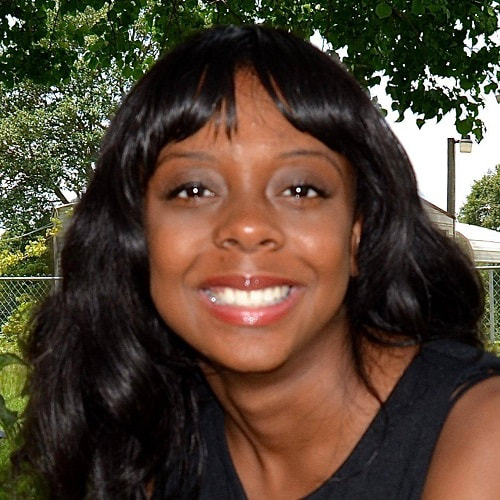 Asia Rodgers
 I recently listened to Aretha Franklin’s captivating album, “Young, Gifted and Black” while paying tribute to the “Queen of Soul” and her global influence. She paints a beautiful picture of what it means to be black in America.
Yes, it’s often a difficult journey because we face trials and experience pain. However, African-Americans are substantial contributors, innovators and achievers.
This is the first Women’s History Month since the death of Aretha Louise Franklin in her Detroit, Michigan, home Aug. 16, 2018. She died from pancreatic cancer. Born in 1942 in Memphis, Tennessee, she would have turned 77 on March 25.
Her talent knew no limits. She was a pianist, songwriter and singer. Aretha also was an actress, civil rights activist and a loving mother and so much more.
Aretha’s “crown” of musical jewels include:
- She snagged her first recording contract with Columbia Records in 1960.
- Aretha re-recorded Otis Redding’s “Respect” in 1967, making it a global anthem for civil rights and other causes.
- She sang at Dr. Martin L. King Jr.’s Memphis memorial service in August 1968.
- She sang at inaugural events for three U.S. presidents: In 1977, at Jimmy Carter’s inaugural gala, in 1993 and 1997 for Bill Clinton’s inaugural events, and in 2009, at Barack Obama’s inauguration. She also performed at the White House in 1994.
- Aretha was the first woman inducted into the Rock & Roll Hall of Fame in 1987.
- She received the Presidential Medal of Freedom in 2005, awarded by former President George W. Bush.
Aretha’s life and legacy showed me how to fight proudly for what I believe in. This is the year I start creating my delicate, yet fierce marking for the world: I intend to honor my ancestors while creating my own identity, take calculated risks and raise my voice in favor of issues and causes I believe in, just like Aretha did. She was an iconic pioneer whose proud, powerful gospel and soul music influenced generations of performers and fans.In fact, her influence can’t be measured. There’s no doubt about it: She changed the world.
Why do I say all of this? Because I, too, am young, gifted and black.
Learn More:
- Aretha Franklin movie starring Jennifer Hudson will hit theaters in 2020
- Trailer For Aretha Franklin Documentary Will Give You The Chills [VIDEO]
- TIME Joins Aretha Franklin Concert Documentary Amazing Grace as Distribution Partner with NEON
- Historical Plaque Now Marks Aretha Franklin's Childhood Home In Memphis
- Aretha Franklin's Bio
Regina L. Burns contributed to this blog post.
(c) March 2019. Harvest Reapers Communications. All Rights Reserved.
|
|
Connect With Us: |
|
|
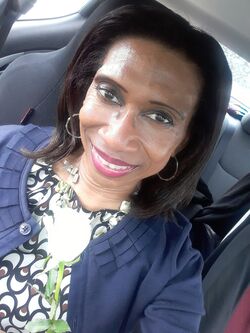
About the Author:
Regina L. Burns, M.A., Project+, is an award-winning multimedia editor and journalist, specializing in Black history and African American stories at Harvest Reapers Communications. Her work has been published in Texas Highways magazine, WFAA-TV, The Dallas Morning News, the Fort Worth Star-Telegram as well as The Commercial Appeal, the Tri-State Defender and The Flyer, among others.
She previously worked for a variety of news media organizations as an editor and journalist, including The Associated Press in Mississippi and Texas. She was news director at WLOK-AM and WGKX KIX-106 FM in Memphis. Learn more
Categories
All
1960s
1964 Nobel Peace Prize
1964 Republican National Convention
1968 King Assassination
1994 940 Volvo
2007 Pulitzer Prize In History
2012
2013
2018 Women's History Month Salute
2019 Women's History Month
2023 Women's History Month
4 Ideas To Support 'Motherless' Friends On Mother's Day
5 Things You Can Do NOW To Build Search Engine Optimization
AAUW
Abilene
Abilene Christian University
Abolitionist
ACU
ACU Library
Advanced Placement English
Advice Interactive Group
African American
African-american
African-American
African American History
African-American History
African American Museum
African American Women
African-American Women
Alabama
Alamo
Alice Randall
Alice Walker
Alvin Ailey
America
Ampere
Amzie Moore
Analytics
Anna Murray
Ann Arbor
Annie White
A.P. English
App
Appetite
Apps
Aretha Franklin
Asia Rodgers
Athens
AT&T
"At The River I Stand
"attitude Of Gratitude"
Audacity
Back To School
Barbara Kelly
Barbers
Belva Davis
Bernadette Coleman
Big Data
Bill Hogg
Bird
Bird Sounds
Birmingham
Birthday
Bishop T.D. Jakes
Black Enterprise
Black Hair Styles
Black Historian
Black History
Black History Month
Black History Month 2014
Black Journalists
Black Women
Bob Yates
Book
Bowling
Breaking News
Breast Cancer
Brenda Ellis
Broadcast
Brookhaven College
Brooklyn Calloway
Butter Cake
California
Cancer
Career
Carlos Baute
Cary Fagan
Cbs
Cedar Hill
Celina
Cell Phone Video
Central High School
Channel 8
Charles Whitman
Cheryl Smith
Children
Chris Bradshaw
Church Bombing
Cicely Tyson
Circle R Ranch
Civil Rights
Civil Rights Movement
Civil Rights Pilgrimage
Clients
Clothes
Cloudbaseda0f2d66592
Communication Management
Communications
Communication Skills
Conde Nast64813fceb0
Connecticut
Connecting On Social Media
Connections
Connie Dyson
Consulting
Content
Content Marketing
Cookbook
Copy Editing
Cotton Patch Cafe
Cousin Kenny
Crisco
CSI: Miami
C-SPAN
Customer Experience
Customer Service
Customer Testimonial
D
Dale Carnegie
Dallas
Dallas Advertising League
Dallas County Democratic Party
Dallas Interactive Marketing & Internet SEO/SEM Meetup
Dallas Library Branch
Dallas Public Library
Darlene Ewing
Dart Center For Journalism & Trauma
David Alan Grier
David Leeson
David Meerman Scott
D.C.
"Delta Epiphany: Robert F. Kennedy In Mississippi"
Delta Sigma Theta Sorority
Denise Mcnair
Detroit
DFW
Digital Audio
Doctor
Doctorate Degree
Dog
Don Rossi
Don't Believe The Hype Celebrity Bowl-a-thon
Dorothy Jones
Dr. Charlie Marler
Dr. Cheryl Mann Bacon
Dr. Dennis Kimbro
Dr. Kathleen Wickham
Dr. King
Dr. King's Legacy
Dr. Lewis Baldwin
Dr. Martin L. King Jr.
Dr. Mary Crawford
Dr. Michael Williams
Dr. Sam Haynes
Dr. Tommy L. Brown
Dr. William Dulaney
Dr. W. Marvin Dulaney
Editing
Education As A Civil Right
Edward Snowden
Edward Welch Jr.
Ellen Meacham
Emerson Able
Emily West
"Empire"
English Teacher
Erick Soderstorm
Eric Swayne
Ernest J. Gaines
Espanole92bbe0581
Eudora Welty
Facebook
Fallen Soldiers
Fannie Lou Hamer
Fcc
First Lady Ruth "Nell" Brown
First Responder
First Responder Support Network
Food Stamps
Former Memphis Mayor Henry Loeb
Former Slave
Fort Worth
Foster Dog
Fourth Of July
Fourth Of July And Social Media
Frederick Douglass
Freelancers
Gabby
Gartner
Gates Foundation
Gene Roberts
Golinharris
Gratitude
Greek
Greyhound Bus
Grief
GriefShare
Guinness World Records
Gutenberg
Gutenberg Award
Hank Klibanoff
Happy Birthday
Harper Watters
Hathaway
Helen Pitts
Hendrick Arnold
Henry Miller Morgan
Hershey Bar
Hidden Black History
Hidden History
High School Football
Historian
Historiography
H. M. Morgan
Hog
Houston
Houston Ballet
Html5
Humboldt
Husband
Hyatt Regency Dallas
Immigration Attorney
Immigration Reform
Inc. Magazine
In Loving Memory Of My Mom
Innovative
Innovators
Internet Marketing Agency
Ipad
Irving
"I’ve Been To The Mountaintop"
Jackson
Jackson State University
Jacqueline
Jacqueline Madden
Jacqueline Wald
Jc Penney
Jewel Brodie
Jim Moroney
JMC
" Joan Beifuss
John Glenn
John McCaa
Journalism
Journalism And Project Management
Journalists
Katheryn Stockett
K.D. Paine
Kennedy-Curry Middle School
Kenny DeWalt
Kera
Kimberly Bryant
King Memorial
Komen Dallas Race For The Cure®
KRBC TV
KRBC-TV
Kurl Mckinney
Kyle Whitfield
Lakewood Church
Larry Payne
Learning Spanish Through Music
Ledisi
Lessons
Lessons Learned
Library Card
Library Of Congress
Life Coach
Lillian Barnett
Lincoln Junior High School
Lisa N. Alexander
Lissa Duty
Literature
Living Will
Louisiana
Lovers Lane United Methodist
Lovey Chin
Lsu
Lynne Thigpen
Lyrics
Ma Dear
Magazine Journalism
Magazine Writing
Mahalia Jackson
Manassas High School
Marcus Buckingham
Margaret Walker Alexander
Marian Wright Edelman
Marilyn Calhoun
Marion Edington
Marshall Mcluhan
Marta Sanchez
Martha Germann
Martin L. King Jr.
Mary And Myron Lowery
Mason Temple
Mass Slayings
Master's Degree
Matt Joyce
Maya Angelou
Medgar Evers
Medgar Evers: Mississippi Martyr
Media
Media Professional
Media Relations
Meetup
Melinda Guravich
M. Elizabeth Cedillo-Pereira
Memorial Day
Memphis
Memphis Businessman Abe Plough
Memphis Music
Memphis Sanitation Strike
Men Of Change
Mentor
Metrics
Michael Hamtil
Michael White
Michelle Obama
Michigan
Mildred Taylor
Millicent Hoskin
Mindee Zack
Mississippi
Mississippi Delta
Mississippi State
Mitchell Gold + Bob Williams
MLK
Mom
Moneymaking Machine
Mother
Motherless Mother's Day
Mother's Day
Mp3
Mrs. Dodie Osteen
Mrs. Edington
Mrs. Rowena Whiting
Mrs. Whiting
M.T. Reilly Elementary School
Music
Music Videos
My Mom
Myron Lowery
Naacp
NAACP Youth Council
NABJ
Narrative
Nasa
Nate Silver
National Association Of Black Journalists
National Civil Rights Museum
Newberry Medal
New Horizons
New Media
New Mount Zion Baptist Church
Newsengin
Newspapers
News Release
Niche
Norma Adams-Wade
Npr
Nursing Home
Obama
Office Collaboration Tools
Ole Miss
Olympian Gabby Douglas
Olympus Digital Recorder
Open Source
Oprah Book Club
Osama Bin Laden
Oscar Pereira
Pan Awsumb
Park Place Volvo
Paula Casey
Paul Golden
Peggy Marler
Personal Mission Statement
Pet
Peter Edelman
Peter Hall
Pharyngitis
Ph.D.
Photojournalism
Phyllis Bailey
PMP
Positive Mental Framework For Success
Post-traumatic Stress Disorder
PR
Prayer
President Obama
Press Club Of Dallas
Press Release
Project Management
Project Manager
Proven Consultant
Ptsd
Public Relations Writing
Pulitzer-Prize
Quaker
Queen Of Soul
Rachel Shankman
Reach For The Stars
Regina L. Burns
Rehabilitation Center
Relationships
#Remember
Reposition Yourself
Research
Research Archive
Resume Video
Retailer
Rev. Al Green
Rev. Billy Kyles
Rev. Dr. Thomas Hudspeth
Rev. Earnest Freeman
Rev. James Lawson
Rev. Joel Osteen
Rev. Martin Luther King Jr.
Rev. Paula White
Richard Howorth
Richardson Humane Society
Richard Wright
Richland College
Richmund Punch
Rocks Digital
Ron Hadfield
Rose Braziel
Ruby Anik
Ruby Dee
Russ Mitchell
Sales
Samsung Telecommunications America
Sanitation Workers
Scholarship
Scott H. Cyton
Secret
"Selma"
Sen. Joseph Clark
Sen. Robert Kennedy
SEO
Shama Hyder Kabani
Sharepoint
Sharon Matlock
Shih Tzu
Sick
Singing Dog
Sixteenth Street Baptist Church Bombing
Small Business Saturday
Smithsonian Institution
Smu
SNAP
Social Media
Social Media And Spanish
Social Media For Project Managers
Social Media Marketing
Social Media Trends 2013
Social Media Writing
Southern
Southern Literary Trail
Southern Writers
Spanish
Spanish Language
Spectrum
Sportsdayhs
Stakeholder Communications
Stakeholder Engagement
Stephen Covey
Steve Abel
Strategic Advantage
Students
Studying Spanish
Success
Susan Perry
SyTanna Freeman
Technology
Ted Ownby
Television Journalism
Television News
Tenn.
Tennessee
Texas
Texas Dog
Texas Highways
Texas Highways Magazine
Texas Revolution
Thankful
Thanksgiving
Thanksgiving 2012
Thanksgiving Prayer
The Association Of Magazine Media
The Bar-Kays
The Dalai Lama
The Dallas Morning News
The Potter's House
The Press And Civil Rights
The Race Beat
The Zen Of Social Media Marketing
Thou Art Loosed Conference
Tim Haydin
Tom Mccracken
Tracey Ferguson
Travel
Travel Journalism
Travel Reporting
Treasured
Trends
Turkey And Dressing
Turkey Trot
Tweetdeck
Tweetup
Twitter
Twitter And Spanish
TX
Tyler
Tyler Barber College Chain
Underemplyed
Unemployed
Unita Blackwell
University Of Missouri-Columbia
UNT
Usa Today
UTA
Vanderbilt
Veterans
Video
Video Conversion Software
Videographer
Viola Cole
Viola O'Neil Cole
Virtual Machine
Volvo
Walking Partners
Washington
Wav
WDIA-AM
Wealth
Weight Watchers
Wendy Calhoun
WFAA
Wikipedia
Will
William Moore
Witi
WLOK
Wma
Woman
Women
Women In Technology International
Women Journalists
Women's History Month
World Wide Rave: Creating Triggers That Get Millions Of People To Spread Your Ideas And Share Your Stories
Wrapping Black Hair
Writing
Writing Your Goals
WW App
Yahoo! Eye Tracking Study
Yoda
Youtube
Zora Neale Hurston
Archives
January 2024
July 2023
May 2023
March 2023
February 2023
October 2022
June 2022
May 2022
November 2021
August 2021
June 2021
May 2021
January 2021
November 2020
October 2019
March 2019
January 2019
March 2018
June 2017
March 2017
February 2017
January 2017
November 2016
September 2016
August 2016
July 2016
January 2016
November 2015
September 2015
July 2015
June 2015
May 2015
April 2015
March 2015
February 2015
January 2015
December 2014
November 2014
September 2014
August 2014
July 2014
June 2014
May 2014
April 2014
February 2014
January 2014
December 2013
November 2013
September 2013
July 2013
June 2013
May 2013
March 2013
February 2013
January 2013
December 2012
November 2012
October 2012
September 2012
August 2012
July 2012
June 2012
April 2012
March 2012
February 2012
January 2012
December 2011
November 2011
October 2011
September 2011
August 2011
July 2011
May 2011
April 2011
March 2011
February 2011
January 2011
 RSS Feed
